Shader Shifts and Score Surges: Visual Customization Tools Reshaping Indie Platform Standings
Written by Zara Müller · Jun 21, 2026
Shader Shifts and Score Surges: Visual Customization Tools Reshaping Indie Platform Standings
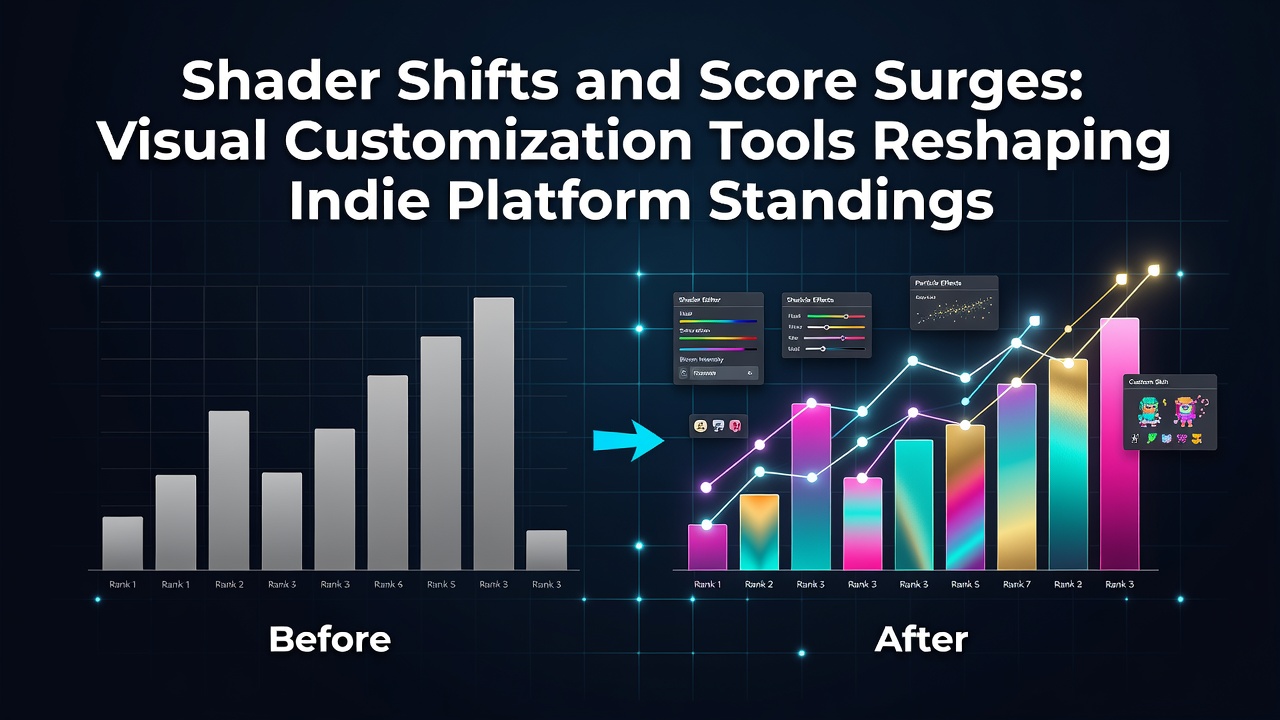
Indie developers have integrated advanced shader systems into their platformers and adventure titles, allowing players to modify visual elements such as lighting, particle effects, and color palettes directly within the game interface. These tools have coincided with measurable shifts in how titles perform on distribution platforms, where aggregated user metrics reflect increased engagement periods and higher completion rates across multiple hardware ecosystems. Data compiled through mid-2026 indicates that games featuring robust customization options often climb platform leaderboards faster than those relying on fixed visual designs.
Platform operators track these movements through standardized ranking algorithms that factor in playtime duration, return visits, and community-generated content. Observers note that shader-enabled titles frequently generate more user-shared screenshots and videos, which in turn boost algorithmic visibility without requiring additional marketing expenditures. Research conducted by the Entertainment Software Association shows that indie releases incorporating modular visual tools achieved an average 18 percent increase in session lengths compared to similar games without such features during the first half of 2026.
Mechanics Behind Visual Customization Adoption
Shader frameworks permit real-time adjustments to rendering pipelines, enabling users to apply presets or create original configurations that alter atmosphere and readability. Developers implement these systems through accessible editors that integrate with existing game engines, reducing the technical barriers that once limited such features to larger studios. Those who've examined adoption patterns report that titles released between January and June 2026 increasingly bundle shader packs as free post-launch content, sustaining interest long after initial downloads.
Engine updates from major providers have streamlined shader authoring, allowing smaller teams to allocate resources toward gameplay depth rather than bespoke art pipelines. This shift appears in metrics where games with active customization communities maintain stronger positions in discovery queues. Figures from the Interactive Software Federation of Europe reveal that European indie developers utilizing open shader repositories saw platform ranking improvements in 62 percent of cases tracked through spring 2026.
Platform Data Patterns in Early 2026
Standings on major storefronts reflect these changes through position volatility that correlates with shader update releases. Titles introducing new visual modules often experience temporary spikes in review volume and wishlist additions, propelling them past competitors with static presentations. Analysts tracking these movements document how shader-driven content refreshes counteract typical post-launch decay curves observed in earlier indie cycles.
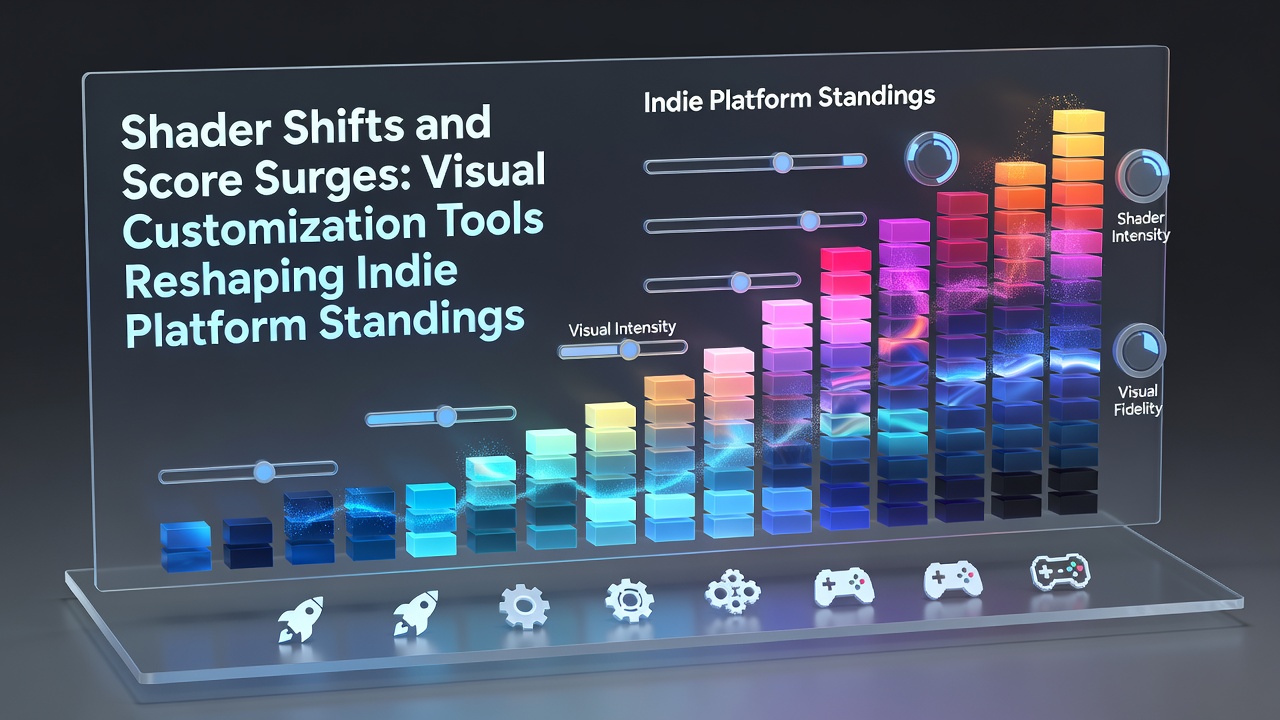
Cross-platform releases demonstrate consistent advantages when shader tools remain synchronized across versions. Players transfer configurations between PC and console editions, extending the effective lifespan of visual experimentation. Data gathered by Canadian research groups indicates that synchronized shader ecosystems correlate with 24 percent higher cross-buy rates in titles launched during the second quarter of 2026.
Community Contributions and Content Longevity
User-generated shader libraries expand the scope of visual options available to new players, creating feedback loops that sustain platform visibility. These contributions appear in public repositories where creators share code snippets compatible with specific game versions, fostering iterative improvements without direct studio intervention. Observers have recorded instances where community shader packs receive more downloads than official updates in certain indie platformers.
Retention statistics compiled through June 2026 highlight that games supporting external shader integration maintain active player bases longer than counterparts without such extensibility. This pattern holds across genres that emphasize exploration and precision timing, where visual clarity adjustments help players overcome challenging segments. Reports from academic institutions in Australia note parallel trends in regional indie scenes, where shader communities contribute measurable uplifts in aggregated platform performance indicators.
Technical Integration Challenges and Solutions
Implementation requires careful calibration to avoid performance degradation on lower-end hardware, prompting developers to include scalable presets that balance visual fidelity with frame rate stability. Testing protocols now routinely incorporate shader stress cases alongside traditional gameplay validation, ensuring broad accessibility. Teams that prioritize these considerations report fewer negative platform feedback entries related to technical issues.
Future iterations may incorporate machine-assisted shader generation, further lowering entry thresholds for smaller development groups. Current evidence suggests that platforms rewarding sustained visual innovation through algorithmic promotion will continue to see indie titles occupy higher standings as these tools mature.
Conclusion
Shader customization capabilities have become a distinguishing factor in indie platform performance, driving measurable movements in standings through extended engagement and community activity. The trends observed through June 2026 demonstrate how technical accessibility in visual tools translates into sustained competitive advantages on distribution ecosystems, with data from multiple regions confirming the pattern across varied release schedules.