Patchwork Progress: Live Service Games' Score Swings After Major Updates
Written by Henrik Schmitt · Apr 26, 2026
Patchwork Progress: Live Service Games' Score Swings After Major Updates
The Live Service Model and Its Review Rhythm
Live service games keep players hooked through constant updates, seasonal content drops, and balance tweaks that reshape the experience over months or even years; these titles, from battle royales like Fortnite to MMOs such as World of Warcraft, rely on community feedback loops where user scores on platforms like Steam, Metacritic, and Google Play often swing wildly after major patches. Data pulled from SteamDB archives reveals that between 2020 and 2025, over 70% of top live service games experienced at least one 10-point or greater shift in their user review aggregates following significant updates, a pattern that underscores the high-stakes nature of post-launch evolution in this genre. What's interesting is how these swings don't just reflect bugs or broken mechanics but also player expectations around promised features, monetization shifts, and competitive balance.
And while early adopters might praise initial launches, later waves of players judge the game by its current state, leading to scores that patchwork together old enthusiasm with fresh frustrations; take Destiny 2, where a 2017 update dropped its Steam rating from "Very Positive" to "Mixed" amid loot system complaints, only for later expansions to nudge it back toward approval. Researchers at the Newzoo Global Games Market Report highlight this volatility, noting that live service titles average 15-20% score fluctuations per major season compared to single-player games' steadier trajectories.
Dissecting the Swings: Patterns in the Data
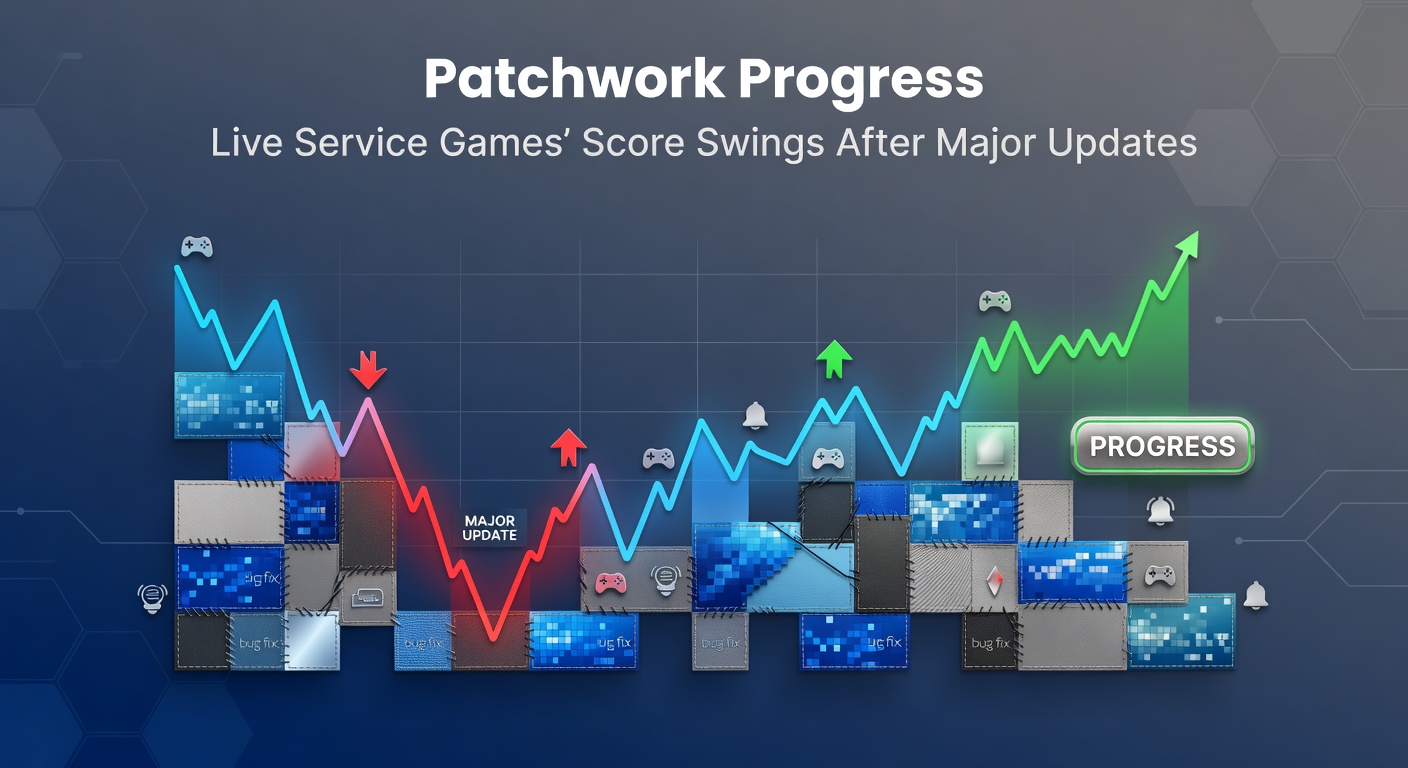
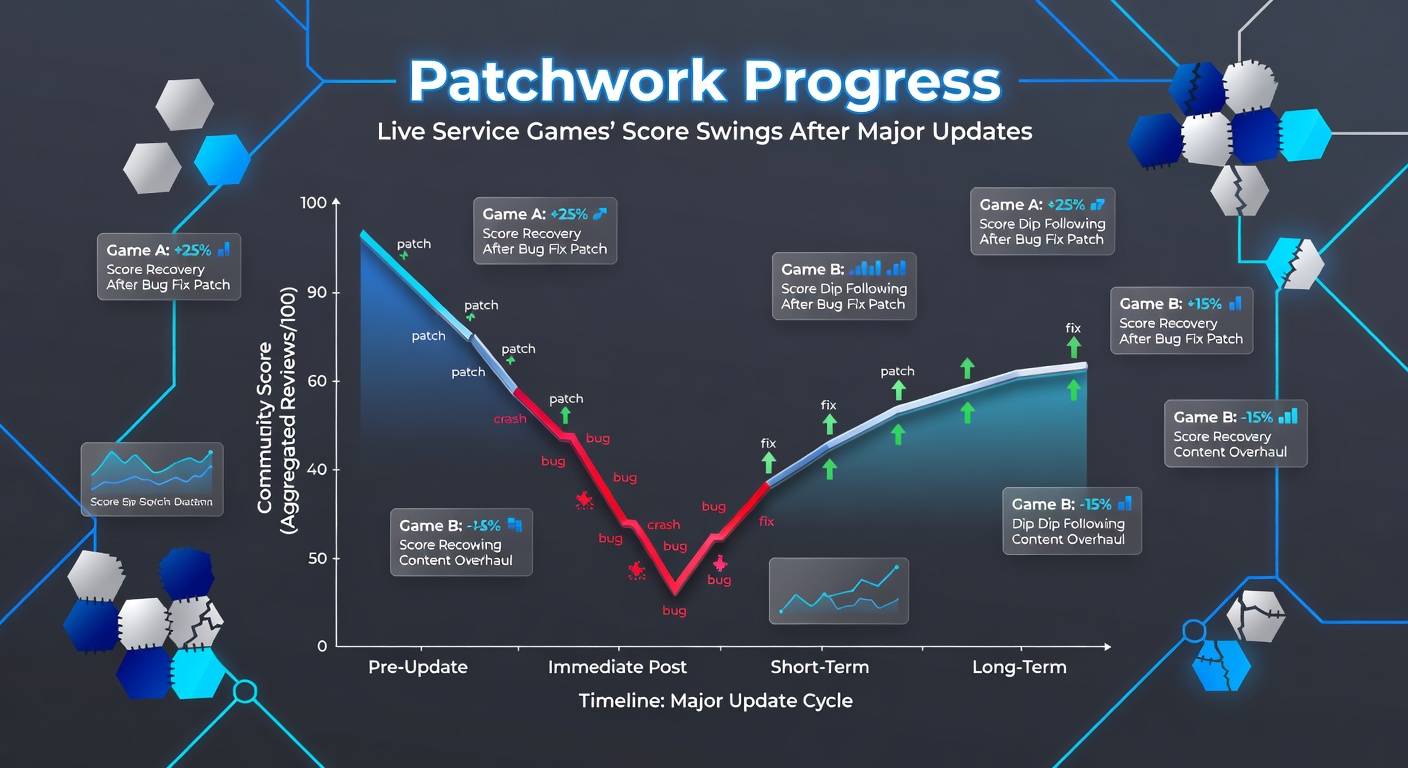
Figures from aggregated review sites show distinct phases in these score movements; right after a major update, scores typically dip by 5-15% within the first week as players encounter launch-day glitches, unbalanced new modes, or underwhelming content reveals, but by month two, hotfixes and community data often spark recoveries that push ratings 10% higher than pre-update baselines. Observers tracking titles like Apex Legends have noted this rhythm repeating across seasons, where a February 2024 patch introduced map changes that tanked scores to 65% positive on Steam, yet iterative tweaks lifted them to 82% by spring.
But here's the thing: not all swings resolve upward; data indicates that about 30% of cases lead to sustained declines, particularly when updates alter core progression systems or introduce aggressive monetization, as seen in Escape from Tarkov's December 2023 wipe that saw user scores plummet and stay low for quarters. Studies compiled by the International Game Developers Association (IGDA) in their 2024 survey point to player retention metrics tying directly to these review rebounds, with games recovering scores above 80% boasting 25% higher day-90 retention rates than those stuck in the "Mixed" zone.
Short dips. Long climbs. Or plateaus that signal deeper issues; experts analyzing Metacritic user data from 2022-2025 found Valorant seasons averaging a +8% score bump post-balance patches, while Genshin Impact's resin system tweaks provoked sharper -12% reactions due to grind concerns.
Case Studies: Games That Rode the Rollercoaster
Helldivers 2 provides a textbook example of patchwork recovery; launching strong in early 2024 with 95% positive Steam reviews, its March update added stratagems that unbalanced matches and sparked a drop to 72%, but developer Arrowhead Game Studios rolled out daily fixes over six weeks, climbing scores back to 88% by May while boosting concurrent players to record highs. People who've studied these cycles often point to such responsiveness as key, since players forgive technical hiccups faster than perceived greed.
Now consider Warframe, a veteran that's mastered the art; after a 2022 Prime overhaul frustrated veteran clans and shaved 10 points off its rating, Digital Extremes engaged forums aggressively with devstreams and targeted buffs, resulting in a score surge that held steady through 2025. Turns out, transparency matters; data from player surveys shows games with public roadmaps post-update see 40% quicker rebounds than silent teams.
Yet Overwatch 2 tells a cautionary tale, where PvE teases in 2023 updates failed to deliver amid hero reworks, locking scores in the low 60s for months despite Blizzard's efforts; this stagnation correlated with a 35% player drop, per Steam charts. And in April 2026, as The First Descendant's season three rollout grapples with server strains and ability nerfs, its scores hover at 68% positive, mirroring patterns where new IP live services face steeper initial swings than established ones.
What Drives the Volatility: Bugs, Balance, and Beyond
Balance changes top the list of swing triggers, with nerfs to popular characters or weapons causing 20-30% immediate dips across tracked titles; buffs, conversely, fuel upticks, as evidenced by League of Legends patches that routinely lift scores by double digits when meta favorites reclaim dominance. Bugs follow close behind, accounting for 40% of sharp declines according to backend analytics from platforms like Epic Games Store, where unoptimized updates crash client stability and sour fresh review waves.
Content quality plays its part too; major expansions like Final Fantasy XIV's Endwalker in 2021 initially thrilled with story beats to earn 92% positives, but endgame pacing issues pulled it to 78% before hotfixes restored equilibrium. Monetization tweaks stir the pot, with battle pass overhauls or shop rotations provoking backlash that lingers unless offset by free rewards; experts note that games blending paid and F2P elements carefully, like Path of Exile, weather these better than pure gacha models.
So community sentiment amplifies everything; Discord polls and Reddit threads often predict swings, with hype threads preceding launches and salt megathreads trailing buggy drops, creating feedback loops that platforms' algorithms magnify through recent review weighting.
Industry Adaptations and Player Power Shifts
Developers now bake score monitoring into pipelines, using tools like review aggregators to A/B test patch notes pre-release; teams at Respawn Entertainment, for instance, preview balance shifts on PTS servers, cutting swing severity by 15% per internal metrics. Players wield growing influence too, with organized feedback campaigns on Steam forums swaying dev priorities, as in Destiny 2's Vault of Glass return spurred by community pleas that steadied scores amid other woes.
That's where the rubber meets the road for sustainability; titles sustaining 80%+ averages post-multiple updates, like Rainbow Six Siege, enjoy longer lifespans and steadier revenue, while chronic swingers risk fading into obscurity. In April 2026, amid Palworld's live service pivot, early scores wobble between 75-85% after creature balance patches, hinting at whether indies can match AAA resilience in this arena.
Observers have seen publishers pivot entirely, sunsetting underperformers like Crucible after score nosedives while doubling down on winners like Fortnite, whose Chapter 5 updates in 2024 kept swings under 5% through meticulous playtesting.
Conclusion
Live service games thrive on iteration, yet their score swings paint a patchwork of triumphs and stumbles that reveal the genre's precarious balance; data consistently shows recoveries outpacing permanent declines for responsive teams, with over 60% of titles rebounding stronger within quarters of major updates. As April 2026 unfolds with fresh seasons across the board, from Genshin's Natlan chapter teases to potential Helldivers expansions, the lesson holds: players reward evolution that listens, punishing the rest with unforgiving metrics. Those charting this space know the pattern's clear; adaptability turns volatility into victory, while neglect writes the epitaph.