Inside the Onboarding Labyrinth: How Initial Guidance Mechanics Tie Into Long-Term Appraisal Patterns for Strategy Titles
Written by Henrik Schmitt · Jun 14, 2026
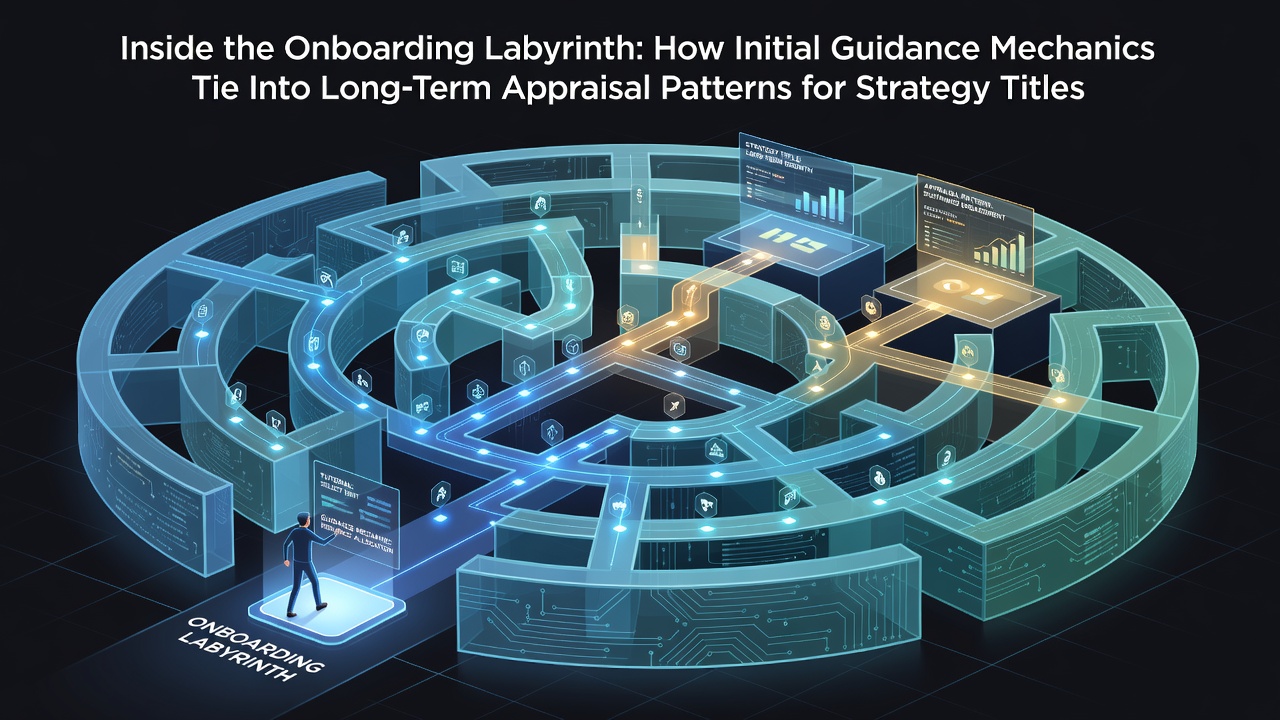
Inside the Onboarding Labyrinth: How Initial Guidance Mechanics Tie Into Long-Term Appraisal Patterns for Strategy Titles
Strategy titles introduce players to layered systems through structured onboarding sequences that range from basic command tutorials to complex resource management simulations, and data from aggregated review platforms reveals consistent correlations between these early guidance designs and sustained player evaluation trends over multiple years. Observers note that titles with modular onboarding often maintain steadier user score distributions compared to those relying on abrupt mechanics dumps, while researchers tracking patterns across platforms have documented how initial friction points influence completion rates and subsequent feedback clusters.
Core Elements of Guidance Systems in Strategy Games
Developers implement onboarding through progressive disclosure techniques where players encounter mechanics in sequenced stages, such as introductory campaigns that teach unit positioning before advancing to diplomatic negotiations or supply chain logistics. Studies from academic institutions indicate these layered approaches reduce early abandonment rates by integrating contextual tooltips and optional challenge modes, whereas rigid linear tutorials sometimes correlate with polarized long-term appraisals when players later encounter unguided scenarios. Experts tracking June 2026 release cycles have observed that strategy games incorporating adaptive difficulty scaling during onboarding phases tend to show tighter score clustering in user aggregates, particularly in genres emphasizing empire building and tactical combat.
Player Retention Metrics and Early Interactions
Platform analytics demonstrate that strategy titles with interactive onboarding simulations achieve higher retention past the first ten hours, a threshold where many users form lasting opinions reflected in review scores. Data indicates games featuring branching guidance paths, such as those allowing players to skip advanced sections or revisit basics, link to improved aggregate ratings over time because they accommodate varied skill levels without forcing repetitive exposure. One analysis of persistent online strategy environments found that titles updating onboarding elements post-launch experienced measurable upticks in positive feedback patterns, especially when those changes addressed common early bottlenecks like resource allocation interfaces.
Long-Term Appraisal Trends Across Genres
Longitudinal tracking of user scores shows strategy games with comprehensive initial guidance often sustain higher averages in the years following release, as players report greater satisfaction with mastery progression. Research indicates connections between onboarding clarity and reduced negative review spikes related to perceived complexity, while titles with minimal guidance structures sometimes face score volatility tied to community-driven learning curves. What's interesting is how geographic factors play into these patterns, with reports from European industry bodies highlighting variations in appraisal distributions for international strategy releases that adapt onboarding for different cultural expectations around tutorial pacing.
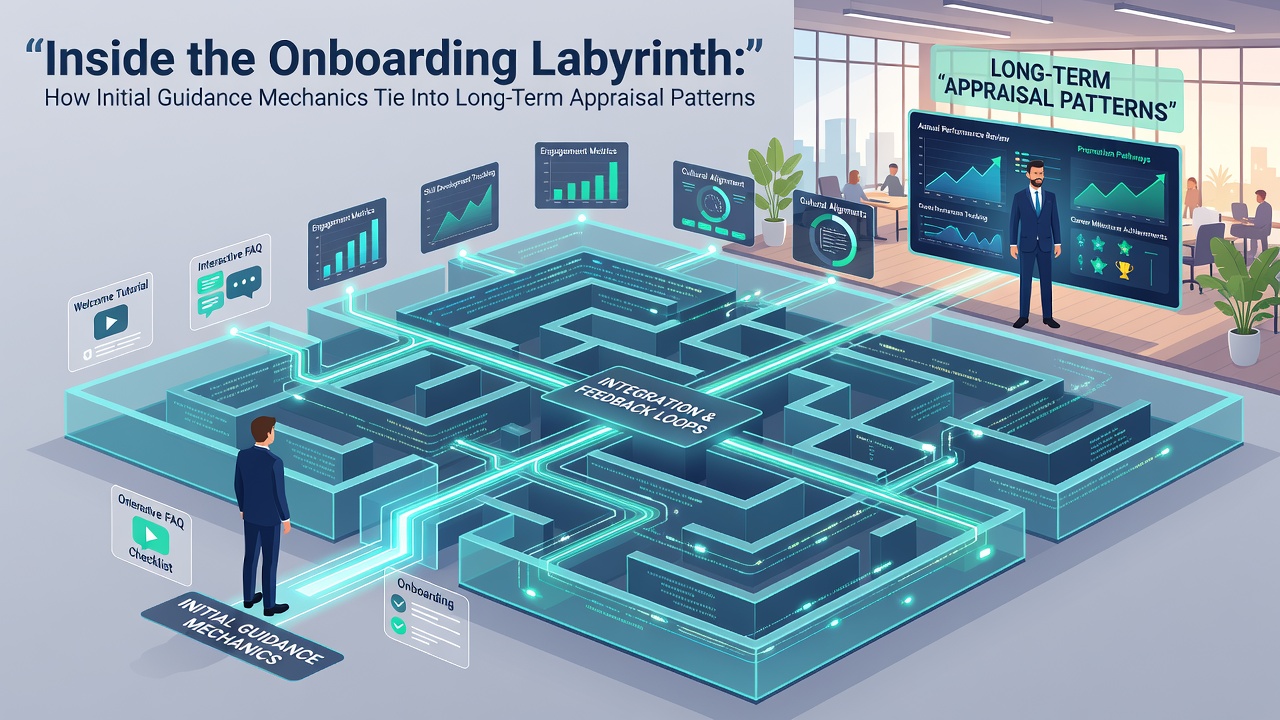
Figures from industry reports reveal that procedural strategy experiences incorporating guided onboarding elements frequently outperform predictable counterparts in sustained player verdicts, because early positive interactions build investment that carries into extended campaigns. Observers have documented cases where strategy titles revised their guidance mechanics after initial feedback, resulting in stabilized or improved long-term evaluation metrics across digital storefronts.
Case Patterns in Specific Strategy Subcategories
Turn-based strategy releases with phased onboarding demonstrate stronger ties to consistent appraisal scores, according to platform data, whereas real-time variants sometimes show divergence when onboarding fails to address pace management early. There's this case where experts found that grand strategy games emphasizing nation-building benefited from onboarding that introduced political systems gradually, correlating with steadier user score trajectories compared to titles overwhelming players with all mechanics at once. Academic sources further link these design choices to completion rate influences, noting that puzzle-adjacent strategy categories exhibit distinct patterns when guidance mechanics align with player expectations for incremental complexity.
Analyses of seasonal updates in ongoing strategy worlds indicate that refreshes to onboarding content can shift appraisal patterns, particularly when events introduce new mechanics without adequate introductory support. Researchers point to examples in multiplayer strategy environments where connection quality during onboarding phases indirectly affects later ratings, though primary correlations remain tied to guidance structure itself.
Conclusion
Evidence from multiple tracking initiatives establishes that initial guidance mechanics in strategy titles serve as foundational elements shaping extended player perceptions, with structured onboarding frequently associating with more stable long-term score distributions. Those who've examined aggregated data across hardware ecosystems note persistent links between early design decisions and sustained appraisal outcomes, underscoring the value of examining these mechanics in broader reception studies. As patterns continue to emerge in 2026 and beyond, ongoing research into these connections provides additional context for understanding strategy game evaluation trends.