How Microtransaction Integration Shapes Retention Metrics Across Free-to-Play Ecosystems on Mobile and Console Platforms
Written by Zara Müller · Aug 18, 2026
How Microtransaction Integration Shapes Retention Metrics Across Free-to-Play Ecosystems on Mobile and Console Platforms
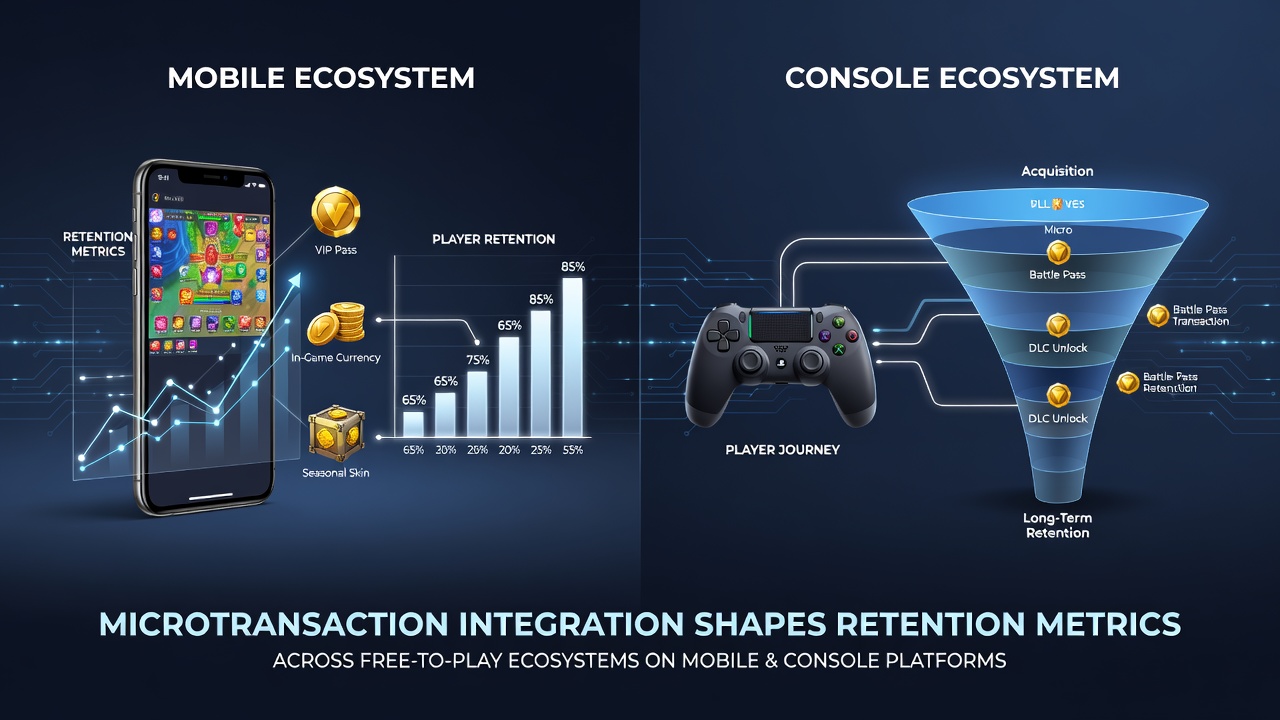
Free-to-play ecosystems on mobile and console platforms rely on microtransaction systems that integrate directly into gameplay loops, and these elements influence how long players remain active according to multiple industry reports. Battle passes, cosmetic upgrades, and resource packs create recurring reasons for players to return, while data from platform analytics shows that users who engage with these features often exhibit higher session frequency over extended periods.
Mobile Platform Patterns
Developers on mobile devices structure microtransactions around daily login rewards and limited-time offers that encourage repeated logins, and figures from 2025 releases indicate that players completing at least one purchase within the first week maintain activity for an average of 45 additional days compared with non-spenders. Systems on Android and iOS track retention through metrics like day-30 active users, where integration of gacha mechanics correlates with steadier curves because players pursue collection goals across multiple sessions. Observers note that geographic differences appear in these patterns, with Asian markets showing stronger ties between event-tied purchases and long-term play while Western regions display more variable results based on pricing tiers.
Console Ecosystem Developments
Console free-to-play titles integrate microtransactions through seasonal content drops and cross-progression features that carry player investment between hardware generations, and reports compiled by the Entertainment Software Association highlight how these elements sustain engagement in multiplayer environments. Players who acquire cosmetic items or battle pass tiers tend to participate in scheduled events at higher rates, which in turn supports community retention as groups form around shared progression systems. Data released in August 2026 revealed that console titles with seamless microtransaction access across generations saw day-90 retention rates climb by 18 percent in titles that emphasized visible player customization over paywalled power advantages.
Comparative Retention Data
Side-by-side analysis of mobile and console ecosystems shows that mobile titles generate quicker initial conversion to purchases yet console platforms achieve steadier long-term metrics when microtransactions emphasize social display rather than competitive edges. Researchers examining aggregated telemetry found that console users who interact with microtransaction stores after the first month demonstrate lower churn rates, whereas mobile ecosystems experience sharper drop-offs unless daily reward structures remain consistent. What's interesting is how both platforms record improved overall retention when microtransaction value feels aligned with time invested rather than direct power increases, according to studies from academic institutions tracking player behavior across regions.
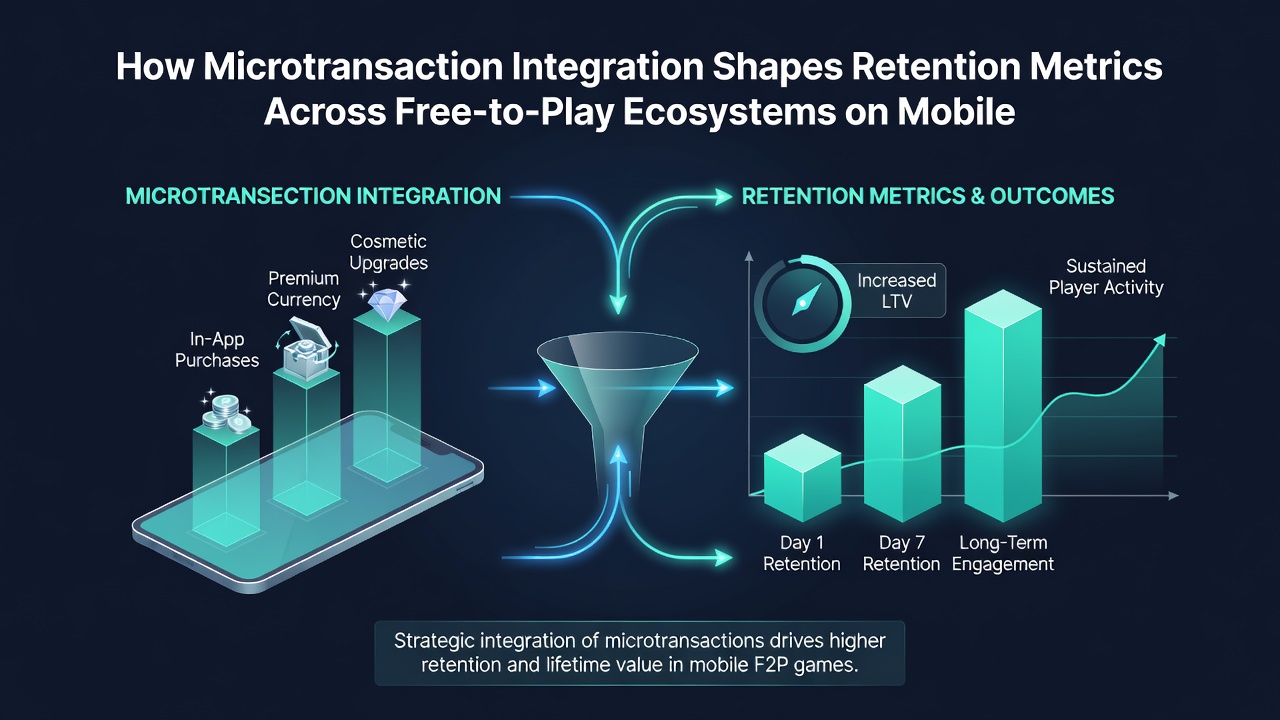
One study revealed that titles balancing free and paid progression paths maintain broader audience segments, while those leaning heavily on limited-time bundles see concentrated retention among higher-spending cohorts. Platform operators continue to refine these integrations based on regional regulatory guidance from bodies such as the European Commission, which monitors consumer transparency in digital purchases.
Design Elements Driving Metrics
Game teams adjust microtransaction pacing to align with player progression curves, and evidence suggests that staggered release of new items prevents early saturation while sustaining interest across both mobile and console audiences. Features like subscription-style battle passes create predictable revenue windows that also correlate with reduced churn because players commit to completing tracks over weeks rather than single sessions. Those who've examined telemetry across genres observe that narrative-driven free-to-play experiences benefit when microtransactions focus on aesthetic enhancements instead of story shortcuts, leading to more consistent return rates in longitudinal platform data.
Conclusion
Integration of microtransactions continues to evolve as developers refine how purchase options intersect with core loops, and retention metrics across mobile and console platforms reflect these adjustments through measurable differences in active user longevity. Ongoing data collection from industry and regulatory sources provides clearer pictures of which approaches maintain engagement without accelerating player fatigue, allowing teams to iterate on systems that support both short-term conversions and extended play patterns.