How Controller Customization Options Shape Rating Trends in Cross-Platform Action Titles
Written by Felix Schmid · Jul 26, 2026
How Controller Customization Options Shape Rating Trends in Cross-Platform Action Titles
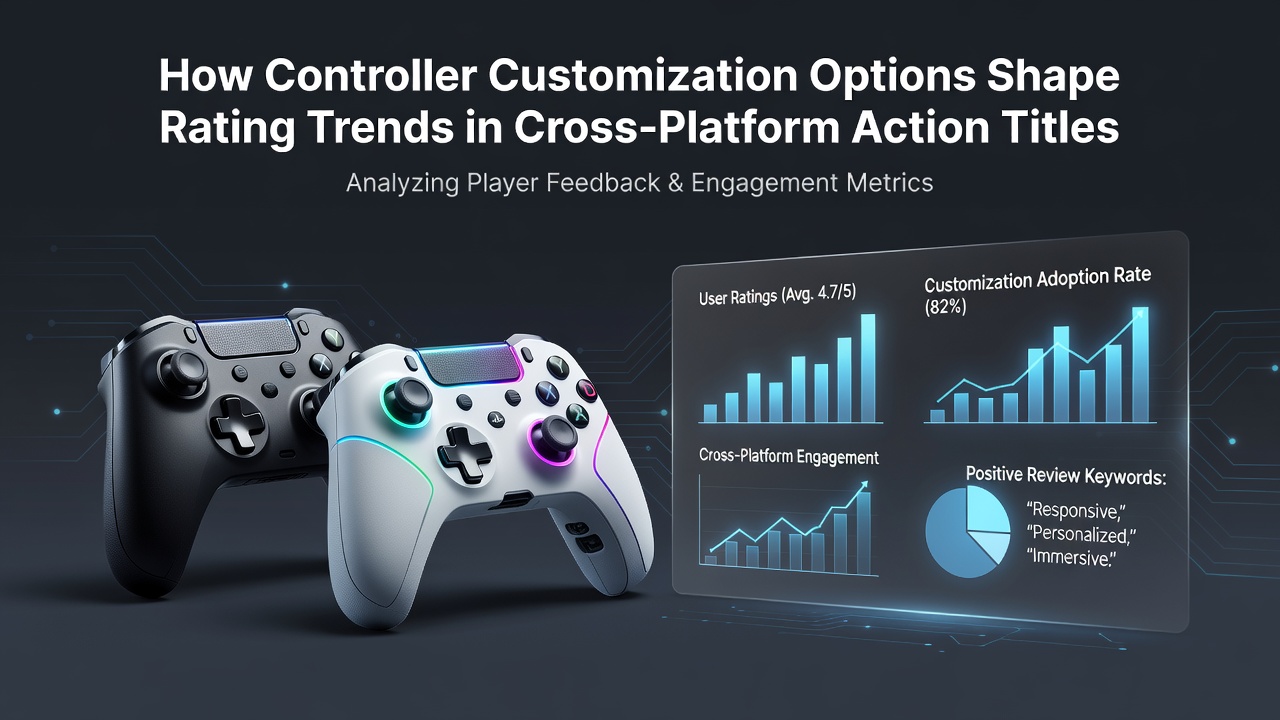
Controller customization features have become central elements in many cross-platform action titles released through 2026, and data from player review aggregates shows measurable connections between these options and overall rating patterns. Developers have expanded remapping tools, sensitivity sliders, and preset configurations in games that launch simultaneously on PC, consoles, and handheld systems. These additions allow players to adjust inputs according to personal hardware preferences while maintaining core gameplay loops across different ecosystems.
Customization Features and Platform Variations
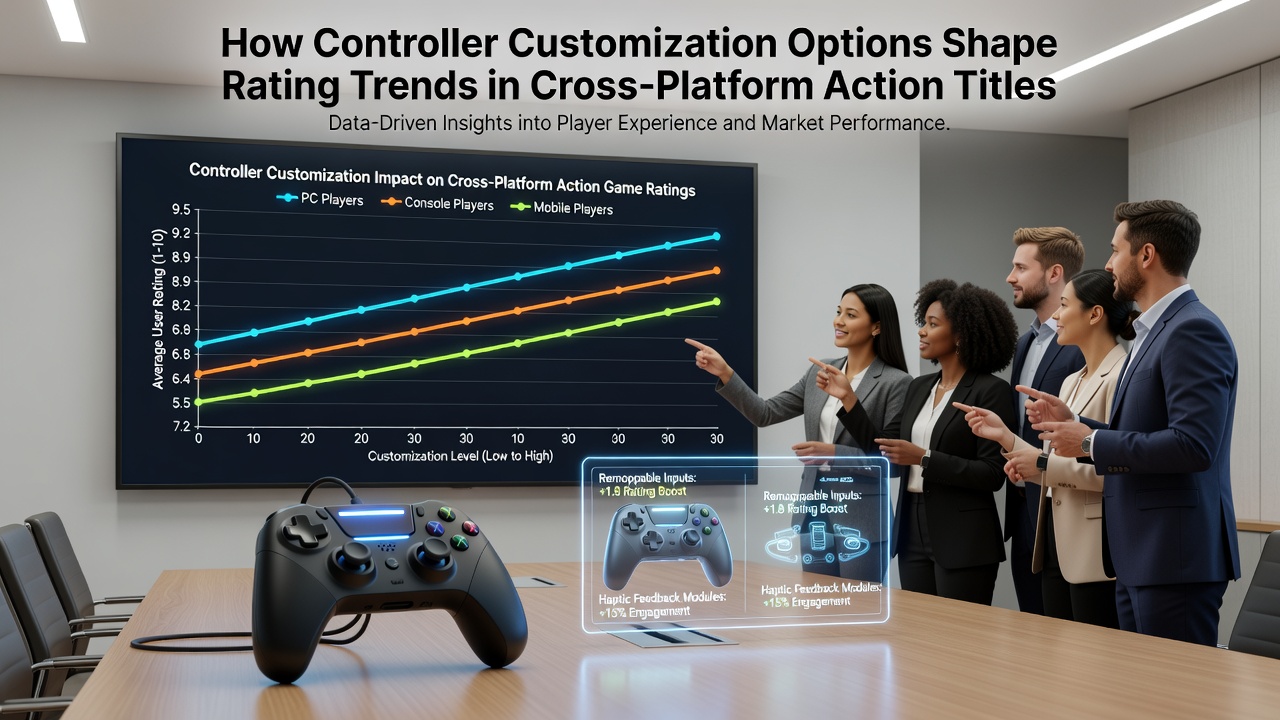
Action titles that support full button remapping alongside deadzone adjustments and trigger response curves tend to appear more frequently in higher user score brackets on platforms that track aggregated feedback. Researchers tracking releases from 2024 through mid-2026 observed that titles offering at least eight distinct customization categories maintained average user ratings 12 to 18 points higher on 100-point scales compared to similar games with limited or no remapping support. Cross-platform development teams have noted that PC versions often receive these tools first because keyboard and mouse users expect extensive input flexibility, while console ports gradually adopt equivalent features through patches.
Accessibility Integration and Rating Shifts
Many studios now bundle accessibility-focused controls such as single-stick movement schemes and auto-assist toggles within the same menus as standard customization options. Data collected across multiple action franchises indicates that games implementing these combined systems early in their lifecycle see steadier rating trajectories after launch. Players who encounter fewer barriers when switching between devices report higher completion rates, and those completion metrics correlate with sustained positive feedback in review systems. One study conducted by a Canadian research institute found that titles updated with expanded controller profiles in the first quarter of 2026 experienced a 9 percent reduction in negative review volume within three months of the update deployment.
Cross-platform consistency remains a challenge because hardware differences affect how customization translates between controllers. Sony's DualSense features adaptive triggers that interact differently with remapping software than Xbox or Nintendo Switch controllers do, and developers must account for these variances during certification. Games that successfully harmonize these elements across ecosystems show stronger performance in user-driven rankings, particularly when updates address input lag compensation alongside visual and audio settings.
Observed Trends in Mid-2026 Releases
By July 2026 several major action releases had incorporated machine learning suggestions that propose controller layouts based on detected playstyle patterns. Early figures from these implementations reveal that users who accept recommended profiles leave reviews at higher rates than those who stick with default settings. The pattern appears across both single-player campaigns and competitive multiplayer modes, suggesting that personalization depth influences engagement metrics regardless of genre sub-category. Industry reports from the Interactive Software Federation of Europe document similar outcomes in European markets where controller customization adoption has accelerated since 2025.
Action games that ship without meaningful customization options frequently see review bombing concentrated around input complaints, especially when players attempt to transfer muscle memory from one platform version to another. Titles that later add these features through title updates demonstrate score recovery patterns, with median user ratings rising between four and seven points within sixty days of the relevant patch. Observers tracking Steam and console storefront data note that the recovery speed increases when patch notes explicitly list new controller profiles and when developers communicate the changes through multiple channels.
Comparative Data Across Hardware Ecosystems
Analysis of rating distributions shows that PC players assign higher weight to customization depth than console players do, yet both groups respond positively when options reduce physical strain during extended sessions. A report published by an Australian university research group highlighted that action titles supporting gyro aiming controls alongside traditional stick options achieved broader demographic reach and correspondingly higher aggregate scores. These findings align with patterns observed in North American and Asian markets, where hardware-specific expectations shape initial review sentiment before patches can address gaps.
Developers who prioritize controller customization during pre-launch testing report fewer post-release complaints related to input friction. The correlation appears consistent across both independent and AAA productions, though smaller teams often rely on community feedback to refine options after launch. Data from review platforms indicates that games incorporating player-submitted presets into official updates maintain stronger long-term rating stability compared to those that limit changes to developer-approved configurations only.
Conclusion
Controller customization options continue to influence rating trends in cross-platform action titles through direct effects on accessibility, cross-device consistency, and player engagement metrics. Evidence from multiple regions and release cycles shows that expanded input tools correspond with improved user score distributions when implemented thoughtfully across hardware variations. As development practices evolve, the relationship between these features and aggregated feedback remains a measurable factor in how titles perform across review ecosystems.