Hardware Variations and Their Role in Shaping Reception Patterns for Simulation Experiences
Written by Finley Schulz · Aug 18, 2026
Hardware Variations and Their Role in Shaping Reception Patterns for Simulation Experiences
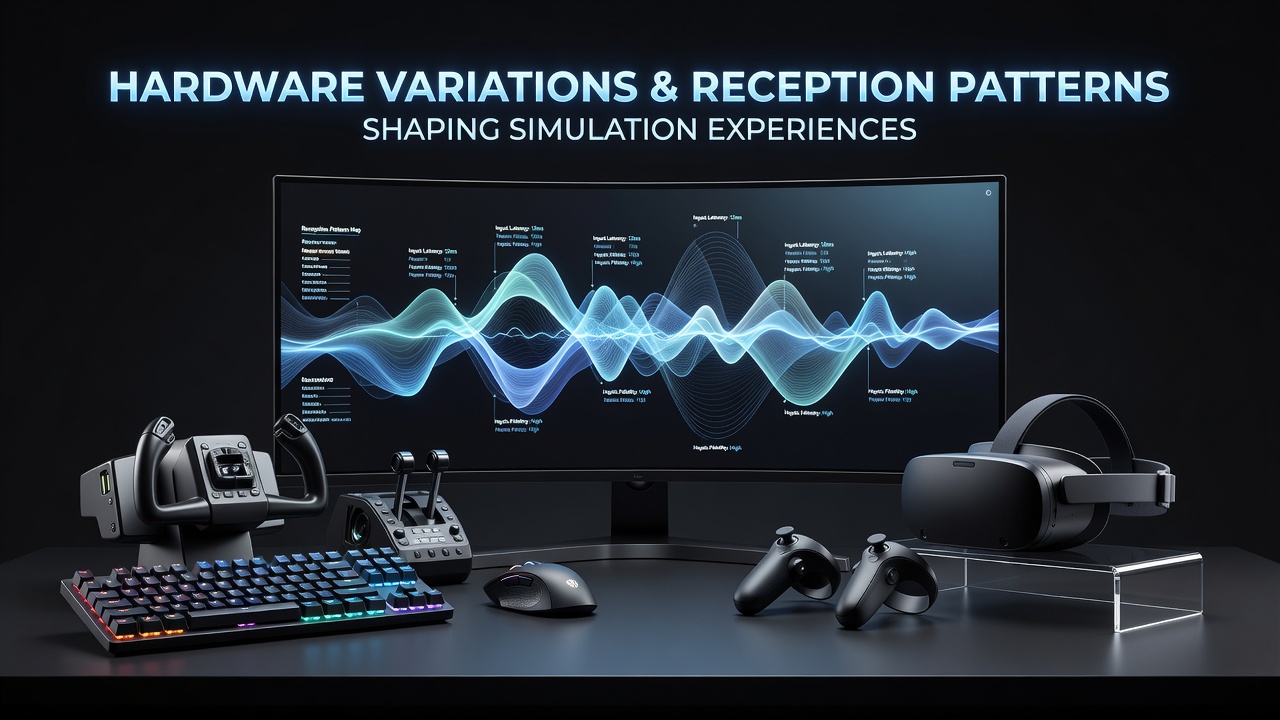
Simulation experiences rely on precise control inputs and consistent performance, yet hardware differences across platforms create measurable shifts in how players rate those titles in aggregate review systems. Data from multiple tracking services shows that reception patterns diverge based on whether users engage through high-end PCs, mid-range consoles, or specialized peripherals, and these variations appear consistently in genres like flight simulation, racing simulation, and industrial training modules. Observers note that frame rate stability and input latency often correlate with score distributions, while studies from research institutions track how controller types influence completion rates and perceived fidelity.
Platform Architecture and Performance Baselines
PC configurations equipped with dedicated graphics cards and adjustable settings allow users to maintain higher frame rates in demanding simulation titles, whereas console hardware operates within fixed specifications that prioritize stability over customization. Figures from industry reports indicate that simulation games running above 60 frames per second receive elevated user scores on PC platforms compared with equivalent console versions, particularly in titles that model complex physics calculations. Researchers at European universities have documented cases where console players report lower satisfaction when particle effects or environmental details drop to maintain target frame rates, creating a measurable gap in review aggregates that persists across multiple release cycles.
Console generations also produce distinct patterns. Titles optimized for newer systems with improved ray tracing capabilities show score recovery in user data after initial patches, while older hardware users experience persistent complaints about visual pop-in or reduced draw distances. Those patterns emerge clearly when analysts segment review data by platform, revealing that hardware limitations directly shape the language players use in feedback.
Peripheral Integration and Input Fidelity
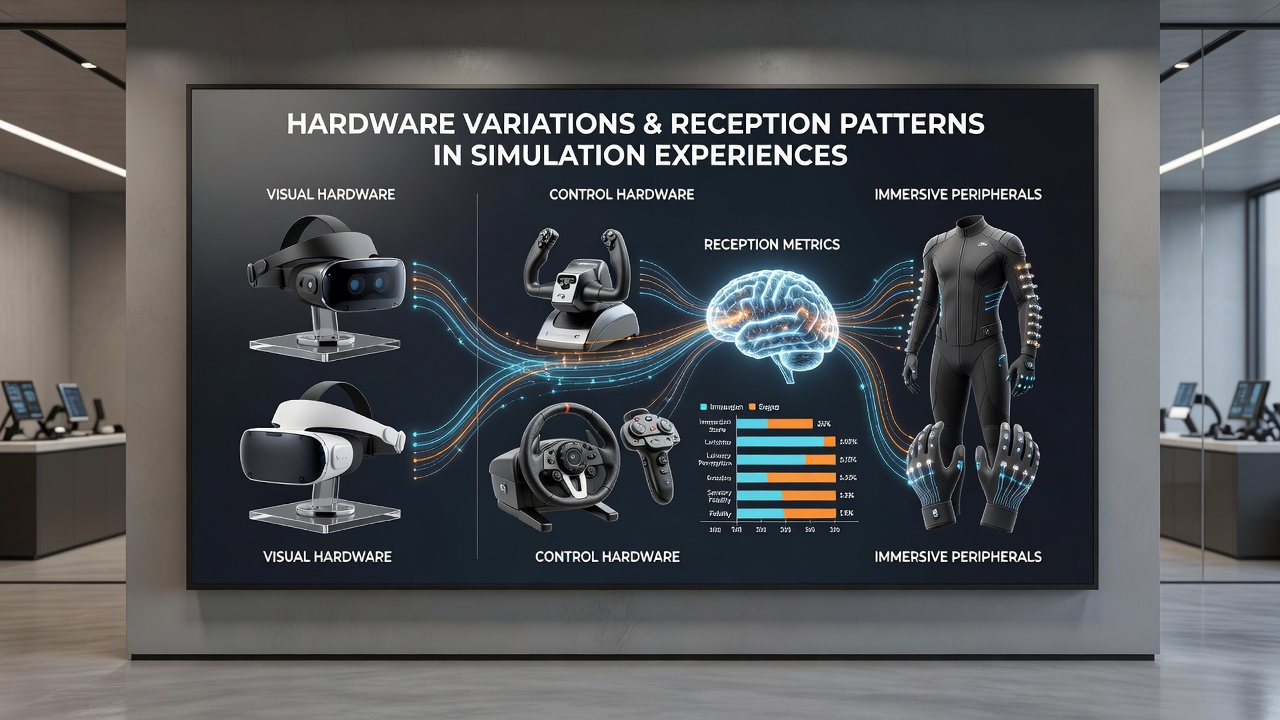
Specialized controllers such as flight yokes, rudder pedals, and force-feedback wheels alter reception in ways that standard gamepads do not. Players who connect these peripherals report higher immersion scores in simulation titles, and aggregate data confirms that users listing such hardware in their profiles assign ratings several points above the platform average. One study released in 2025 tracked reception for a major flight simulator across six months and found that the subset of reviewers mentioning HOTAS setups consistently produced more positive descriptors around control responsiveness and realism.
Yet the same data set revealed that players limited to standard controllers on the same platforms submitted reviews citing frustration with imprecise throttle management and lack of tactile feedback. These differences appear most pronounced in genres that simulate real-world machinery, where small input variations affect task completion times and overall satisfaction metrics.
Virtual Reality Hardware and Sensory Feedback Loops
Head-mounted displays introduce additional variables because they combine visual rendering demands with motion tracking accuracy. Data collected through 2026 shows that simulation experiences supporting multiple VR headsets generate segmented review clusters, with higher-end models that offer wider fields of view and lower latency receiving stronger marks for presence and reduced motion discomfort. Australian research groups examining player retention found that users of premium VR hardware completed longer sessions in racing and flight simulations, correlating with higher overall platform ratings for those specific titles.
Lower-cost headsets, while increasing accessibility, sometimes produce reports of tracking drift or screen-door effects that reviewers cite when assigning scores. These hardware-driven differences create distinct reception bands within the same game, and analysts tracking seasonal data through August 2026 observed that VR-specific patches improved scores primarily among users of compatible high-resolution displays.
Network and Storage Influences on Multiplayer Simulations
Storage medium speed affects loading sequences in persistent simulation environments, and players with solid-state drives report fewer interruptions during online sessions compared with those using traditional hard drives. Industry associations tracking European and North American markets have noted that connection quality combined with local hardware produces asymmetric rating outcomes, especially in cooperative simulation scenarios where synchronization issues frustrate participants. Data indicates that users on fiber connections paired with high-performance CPUs submit fewer negative comments about rubber-banding or delayed state updates.
Regional infrastructure differences further modify these patterns. Observers tracking international releases find that players in markets with widespread gigabit access maintain steadier positive reception curves, whereas hardware and connectivity constraints in other regions contribute to wider score variance.
Longitudinal Trends in Review Segmentation
Review platforms that allow hardware tagging enable clearer segmentation of reception data, and longitudinal analysis through mid-2026 demonstrates that simulation titles accumulate distinct score trajectories depending on the dominant hardware profiles of their user base. Titles that ship with broad controller support and scalable graphics options tend to close initial gaps between platform cohorts after several updates, while those optimized narrowly for premium setups maintain divergent rating clusters over time.
Academic papers examining aggregated feedback emphasize that these hardware effects compound with genre expectations, because simulation players often enter with prior experience using professional-grade equipment. The resulting patterns show up in completion statistics and review sentiment analysis rather than raw sales figures.
Conclusion
Hardware variations produce measurable and persistent effects on how simulation experiences accumulate user scores across platforms and peripheral types. Platform architecture, input devices, VR implementations, and supporting storage and network components each contribute distinct variables that segment reception data into observable clusters. Research from multiple regions continues to map these relationships, providing clearer pictures of how physical equipment shapes the digital feedback that defines a title's long-term standing in player-driven rankings.