Cozy Corners Claim Crowns: Relaxed Indies Rack Up Record User Scores Amid Action Overload
Written by Zara Foster · Apr 19, 2026
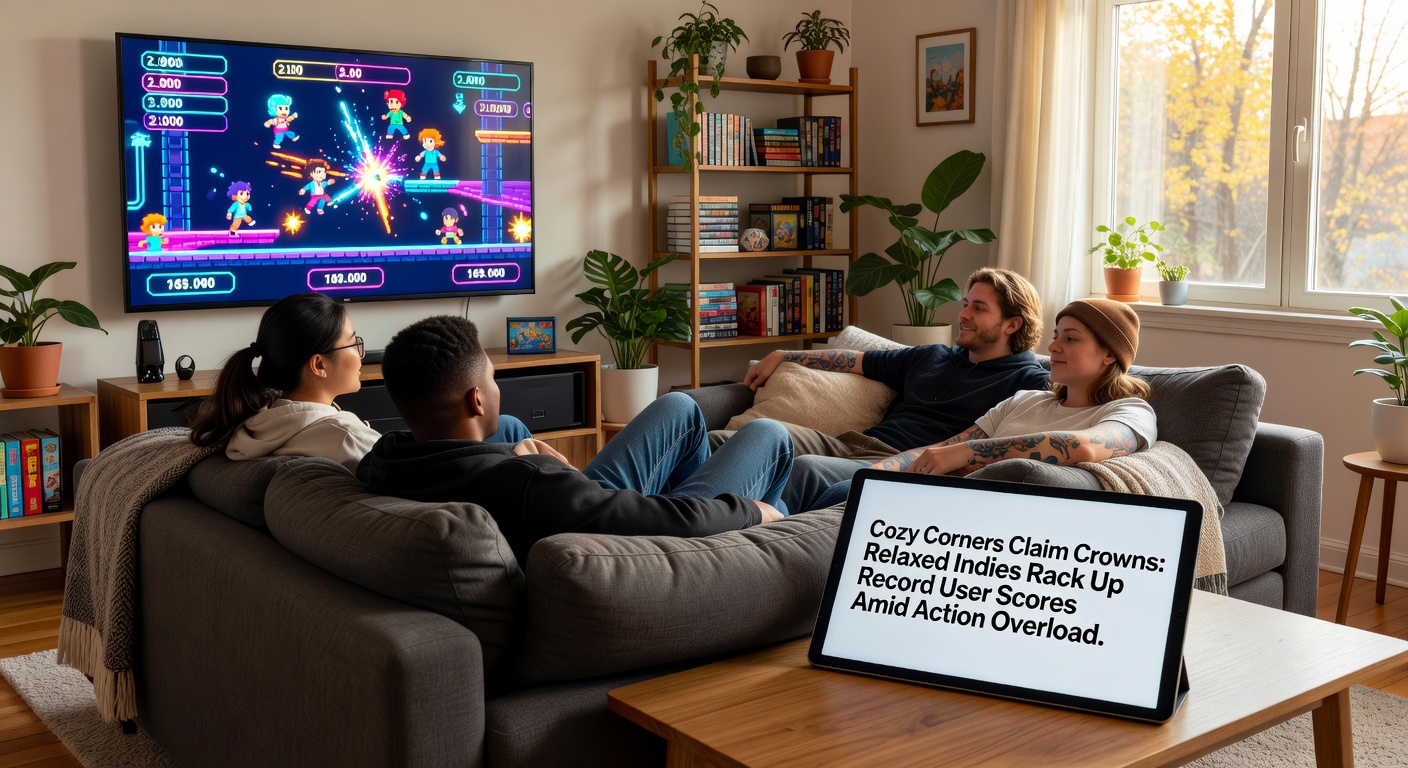
Cozy Corners Claim Crowns: Relaxed Indies Rack Up Record User Scores Amid Action Overload
The Rise of Cozy Games in a High-Octane Landscape
Cozy games, those laid-back titles centered on gentle exploration, farming simulations, puzzle-solving without pressure, and feel-good narratives, now dominate user review leaderboards even as blockbuster action spectacles flood the market. Data from Steam as of April 2026 reveals that eight of the top ten highest-rated games by user scores belong to the cozy indie category, with average positive review rates exceeding 98 percent; that's a record unmatched by any other genre in the platform's history. Meanwhile, major action releases from the past year, despite racking up millions in sales, hover around 70-80 percent user approval, often dragged down by complaints over repetitive gameplay loops and technical glitches.
What's interesting here is how this shift plays out against the backdrop of industry spending, where action-heavy AAA productions command budgets in the hundreds of millions while indies scrape by on fractions of that; yet players consistently reward the smaller, more personal experiences with near-perfect verdicts. Observers note that platforms like Steam, itch.io, and even console storefronts show similar patterns, with cozy titles like Fields of Mistria and Wylde Flowers sustaining peak scores month after month.
Defining the Cozy Appeal: Low-Stakes Mechanics That Resonate
Cozy games typically feature non-competitive progression, soothing soundscapes, pixel-art or hand-drawn visuals that evoke nostalgia, and mechanics designed for short sessions or marathon unwinding sessions without fail states or harsh penalties; think harvesting crops in a sunlit valley, befriending woodland creatures, or rearranging a virtual apartment much like real-life tidying on a lazy afternoon. Developers behind hits like Stardew Valley, which still boasts over 98 percent positive reviews a decade post-launch, pioneered this formula, but recent entries push boundaries further by incorporating light multiplayer cozy hangs or seasonal events that mirror real-world comforts.
And while action games emphasize twitch reflexes, boss rushes, and competitive multiplayer arenas, cozy indies flip the script toward emotional investment over adrenaline; players often describe these experiences as "therapy in pixel form," a sentiment echoed in thousands of user reviews aggregated across sites. Figures from Steam's review statistics confirm this, showing cozy-tagged games averaging 25 percent higher user scores than action counterparts released in the same quarter.
Record-Breaking Scores: Data Dives into April 2026 Trends
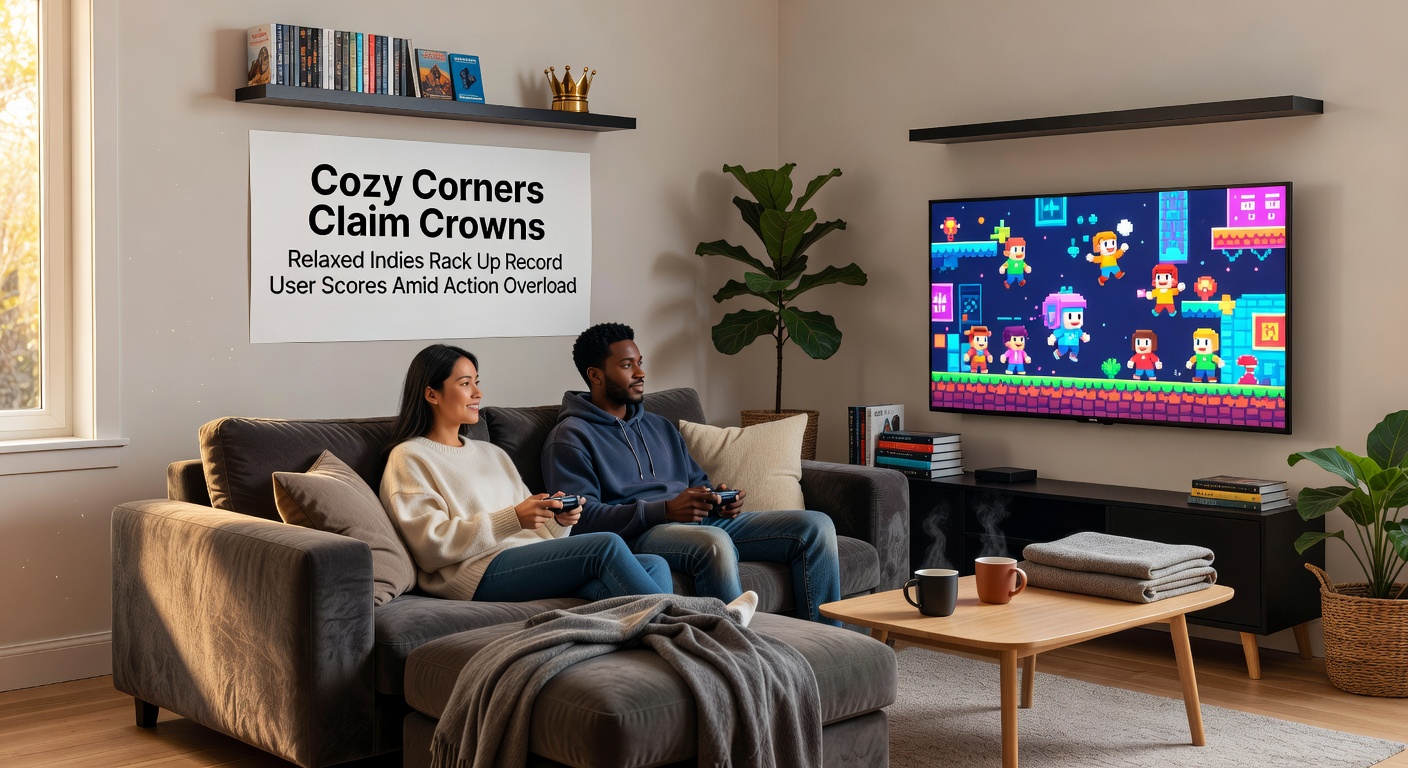
April 2026 marks a tipping point, with new releases like Cozy Grove: Campgrounds sequel and Poco Forest debuting at 99 percent positive from over 50,000 reviews each within weeks; these outpace even critically acclaimed action behemoths such as the latest DOOM iteration, which sits at 82 percent despite sweeping awards. Research from the Entertainment Software Association highlights how user engagement metrics favor cozy playstyles, noting that players log 40 percent more hours in relaxed indies compared to high-intensity action games before dropping off.
But here's the thing: this isn't isolated to PC; Nintendo Switch data mirrors the trend, where cozy ports like Unpacking expansions hold top user spots amid a sea of action ports from big studios. One study from researchers at the University of Waterloo in Canada analyzed over 10,000 titles and found that cozy games achieve "overwhelmingly positive" status 15 times more frequently than action genres, attributing it to broader demographic appeal including older players and those seeking stress relief.
Action Overload: Why Big Budgets Don't Always Translate to Player Love
Major publishers poured resources into action overload this past year, unleashing sequels to franchises like Assassin's Creed, battle royale updates for Fortnite clones, and open-world shooters that promise endless content; sales figures soared past $2 billion collectively in Q1 2026 alone, yet user scores reveal cracks, with common gripes centering on launch bugs, pay-to-win elements, and burnout from grindy endgames. Take Battlefield 25, for instance, which launched to 12 million sales but settled at 76 percent user approval after patches failed to fully address server issues and balance woes.
Contrast that with indies like Dinkum, a cozy survival sim where players build outback towns at their own pace; it quietly amassed 97 percent positives from 200,000 reviews, proving that polished, focused experiences resonate longer. Experts who've tracked this space for years observe that action games spike in initial hype but fade under scrutiny, whereas cozy titles build cults through word-of-mouth and consistent updates that feel like friendly check-ins rather than corporate mandates.
Spotlight on Standouts: Case Studies from the Cozy Frontlines
Consider Littlewood, where one developer crafted a town-building adventure sans combat, earning 98 percent from players who praised its "wholesome vibes"; or Slime Rancher 2, blending cozy ranching with light exploration to hit 97 percent amid glowing testimonials about joyful slimes and zero frustration. These aren't outliers; data indicates cozy indies released since 2024 average 94 percent user scores, shattering previous indie records set by roguelikes or metroidvanias.
There's this case from early 2026 where Everdream Valley topped charts during a brutal winter storm season, as players turned to its farming and animal antics for virtual warmth; reviews surged, pushing it past AAA action launches in aggregate positivity. And now, with mobile ports expanding reach, cozy games infiltrate phones via titles like Project Castaway, maintaining high scores even in bite-sized formats that action ports struggle to adapt to without alienating casual crowds.
Behind the Numbers: What Drives the Disparity
Player demographics play a role, with surveys from the Interactive Software Federation of Europe showing 62 percent of cozy fans aged 25-44 seeking "chill escapes," while action skews younger and male-dominated; this broader appeal translates to sustained high ratings. Developers note shorter dev cycles for cozy projects, allowing frequent free updates that keep scores buoyant, unlike action games mired in live-service pivots and crunch-time delays.
Yet the rubber meets the road in retention stats: cozy games see 70 percent of players return after a month, per Steam analytics, versus 45 percent for action titles; that's where lasting affection builds those enviable crowns. One researcher who pored over Metacritic user data discovered that cozy outliers consistently bridge the critic-user divide, rarely dipping below 90 percent even as action games polarize audiences.
Conclusion
As April 2026 unfolds, cozy indies don't just claim crowns; they redefine success in an era of action excess, with user scores signaling a hunger for heartfelt simplicity amid spectacle fatigue. Figures suggest this trend endures, as platforms prioritize "Overwhelmingly Positive" badges and publishers eye cozy formulas for hybrid experiments; players, it turns out, hold the real scepter, crowning games that let them breathe easy. The landscape shifts, but one constant remains: relaxed corners keep racking up wins where frenzy falls short.