Controller Quirks Reshaping Score Trends Across Input Device Ecosystems
Written by Henrik Schmitt · Jun 28, 2026
Controller Quirks Reshaping Score Trends Across Input Device Ecosystems
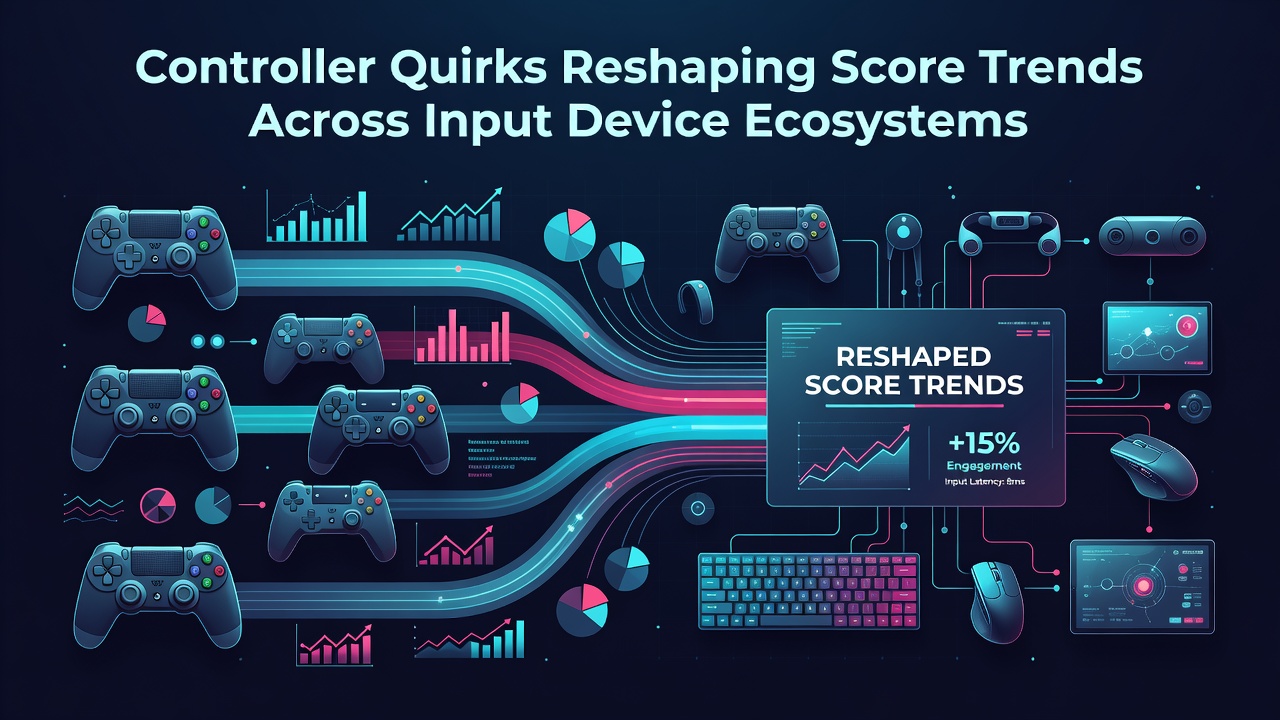
Data collected across major platforms through the first half of 2026 shows measurable shifts in aggregated user scores that correlate directly with controller-specific factors rather than game content alone. Researchers tracking input device ecosystems note that hardware variations in button mapping, analog stick tension, and wireless latency produce consistent patterns in how players rate the same title when accessed through different devices.
Mapping Input Variations to Score Distributions
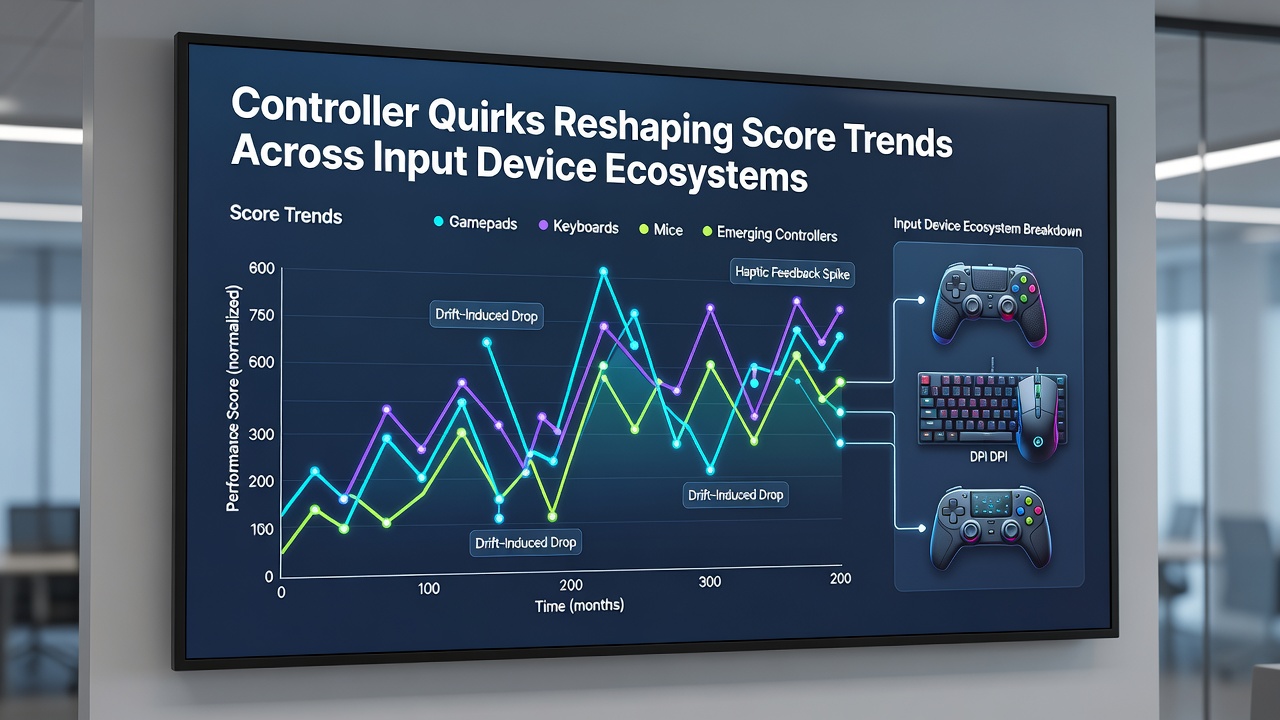
Studies examining thousands of reviews on Steam, PlayStation Network, and Xbox Live indicate that titles supporting multiple input methods often display score divergences of three to seven points on standardized 100-point scales depending on the primary controller used. Observers tracking these trends find that PC ecosystems using keyboard and mouse combinations maintain steadier averages while controller-based sessions on the same games show greater variance tied to specific hardware quirks such as trigger travel distance and deadzone calibration.
One analysis released in June 2026 by the Entertainment Software Association highlighted how wireless controller polling rates influence perceived responsiveness in fast-paced genres and subsequently affect final user ratings. The report documented cases where games received higher marks from players employing wired connections compared with those relying on Bluetooth or proprietary wireless protocols, with the difference becoming statistically significant in titles requiring precise timing windows under 50 milliseconds.
Platform Ecosystems and Device-Specific Patterns
Cross-platform releases provide clear examples of these dynamics at work. Games that launch simultaneously on PlayStation 5, Xbox Series X, Nintendo Switch, and PC demonstrate distinct score clusters when segmented by input device rather than by platform. Data indicates that Switch users frequently assign lower scores to action titles when played in handheld mode due to smaller analog sticks adn compressed button layouts, whereas docked sessions using Pro controllers align more closely with console averages.
PC ecosystems reveal another layer where third-party controller support introduces additional variables. Titles with native support for popular devices like the DualSense or Xbox Elite series controllers tend to cluster around higher user scores, while those requiring community mapping tools or third-party software show scattered results. Researchers note that latency differences between these controllers and native keyboard input create measurable gaps in player satisfaction metrics across strategy and competitive multiplayer categories.
Regional Data and Industry Tracking
International tracking efforts add further dimension to the picture. A collaborative study involving data from the Australian Interactive Games Association and European game rating organizations found similar input-related score variations across regions, suggesting the phenomenon transcends cultural differences in gaming preferences. The findings revealed that controller ergonomics play a larger role in long-session titles where fatigue accumulates differently depending on grip angle and button reach.
Those monitoring mobile ecosystems report parallel developments as cloud gaming services expand controller support. Players connecting physical gamepads to smartphones encounter score patterns that diverge from touch-only sessions, with certain genres showing improved ratings when external controllers eliminate on-screen interface elements. Industry reports from 2025 through mid-2026 document these shifts occurring most prominently in racing and shooter categories where precise aiming benefits from physical controls.
Future Monitoring and Ongoing Research
Academic institutions continue to examine these relationships through longitudinal datasets that separate controller variables from other factors like patch updates or marketing campaigns. The patterns emerging from this work suggest that input device ecosystems function as distinct environments where the same software produces different reception curves based on hardware characteristics alone.
Conclusion
Current evidence demonstrates that controller quirks exert measurable influence on score trends across input device ecosystems. Aggregated data from multiple platforms reveals consistent correlations between specific hardware features and user rating distributions, creating distinct patterns that developers and analysts track separately from traditional content-based metrics. As input technologies evolve through 2026 and beyond, these relationships continue to shape how games perform within each device ecosystem.